About Nepal Footprint Holiday

We are a team of full service-oriented travel entrepreneurs based in Kathmandu. Offering the best depth guidance services and travel advice, exciting, customized holiday packages or tailor-made trips in Nepal’s most admired and preferred off-beat destinations. We specialize in small group treks and tours in the Himalayas which is the beauty of Nepal.

Follow Us

Everest Base Camp Trek – 16 Days

$1799/Per Person

Location

Everest Region

Duration

16 Days

Altitude

5,545 m (18,192 ft)

Difficulty

Moderate

Group Size

2 - 16 pax

Best Season

Spring (Mar - May) & Autumn (Sep - Nov)
Everest base camp trek

Everest Base Camp Trek Overview

The Everest Base Camp Trek is one of the most iconic trekking experiences, located in the Sagarmatha National Park of Nepal. This trek is known to take you through the heart of the Himalayas, treating you to the stunning views of the world’s highest peaks, including Mount Everest. The overall base camp trek is an amazing opportunity for trekkers seeking adventure, stunning landscapes, and a chance to experience the rich Sherpa culture.

The trek begins from Lukla, a small mountain town with a small airport that serves as the major gateway to the Everest region. Along the route, you pass through traditional villages like Namce Bazaar, Tengboche, and Dingboche, where each spot offers unique cultural experiences, chances to visit ancient monasteries, and try local cuisines, making the EBC Trek a perfect mix of nature and tradition.

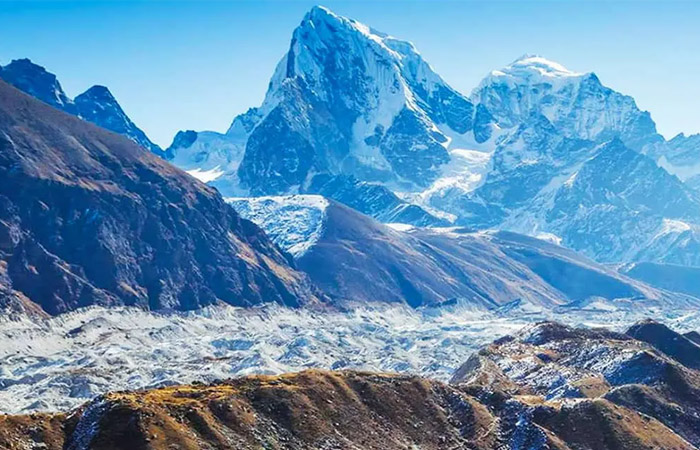
Trekking to Everest Base Camp is also an impressive chance to see the famous Khumbu Glacier, as well as the panoramic mountain vistas. The trail to the base camp is well-marked, with plenty of options of teahouses along the way, helping to make the journey even more comfortable and safe.

This Everest Base Camp Trek is a perfect match for adventure seekers, mountain photographers, and anyone wanting to appreciate the beauty of the Himalayas up close. With proper preparation, this base camp trek is well-known for being an unforgettable and life-changing adventure.

Important Highlights of Everest Base Camp Trek

  • Take a chance to stand at the foot of the world’s highest peak and enjoy breathtaking views of snow-covered mountains.
  • Explore Sagarmatha National Park, one of the UNESCO World Heritage Site rich in wildlife and natural beauty.
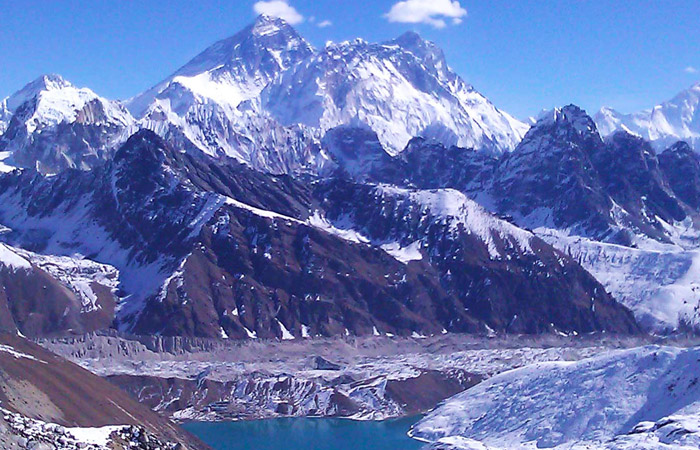
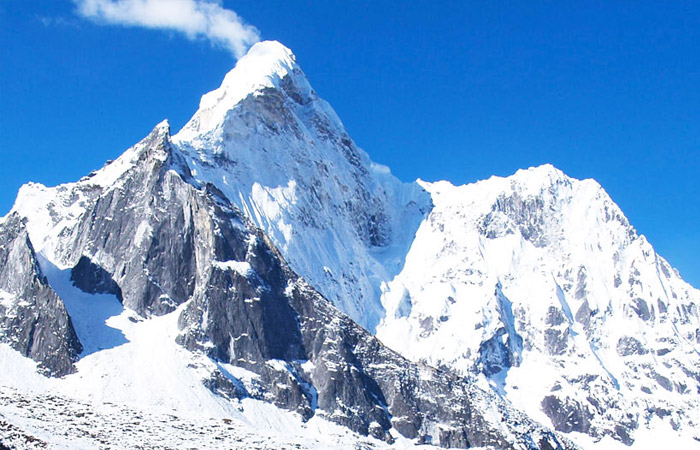
  • Witness the amazing panoramic views of mountains, including Mount Everest, Lhotse, Nuptse, Ama Dablam, and other majestic peaks.
  • Visit the famous Buddhist monasteries, Tengboche Monastery, offering stunning mountain backdrops.
  • Witness the dramatic Khumbu Glacier and Icefall, making it a must-see highlight of the Everest region.
  • Experience the local Sherpa culture, explore local markets, and try traditional cuisines in Namche.
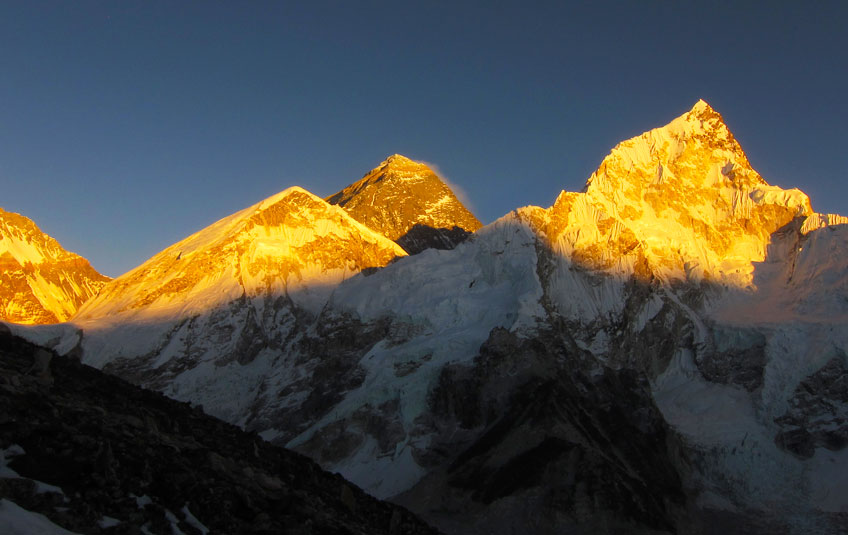
  • Get a chance to see a stunning sunrise over Everest from Kala Patthar.
  • Pass through blooming rhododendron forests, suspension bridges, and charming villages.

How long does the Everest Base Camp Trek take?

The Everest Base Camp Trek usually takes 12 to 16 days, depending on the itinerary and pace. However, most treks begin with a flight from Kathmandu to Lukla, followed by a gradual climb to Phakding, Namche Bazaar, Tengboche, and Dingboche, leading to Gorakshep and Everest Base Camp. An optional hike to Kala Patthar offers stunning sunrise views of Mount Everest.

The trek duration also depends on acclimatization, weather conditions, and fitness level. Most travelers prefer 14 – 15 days to enjoy a comfortable pace, prevent altitude sickness, and experience the beautiful Himalayan scenery while fully immersing in Sherpa culture along the trail.

Everest Base Camp Trek Difficulty and Preparation

The Everest Base Camp Trek is considered a moderate to challenging trek, mainly due to high altitude and long walking hours, where trekkers should be physically fit and able to walk 5 – 8 hours a day on steep trails. As this trek requires no technical climbing skills, altitude sickness can be a major risk, so proper acclimatization is essential.

Preparation for the trek includes regular cardio exercise, hiking practice, and strength training, mainly for legs and core. Along with regular physical exercise, packing the right gear, including warm clothing, comfortable trekking boots, and a high-quality sleeping bag, is important. Hiring an experienced guide and a well-managed itinerary with proper acclimatization days can ensure a safe and more enjoyable Everest Base Camp journey.

Everest Base Camp Trek Costs and Packages

Our Everest Bae Camp Trek package starts from US$2,000, now it is available at a special price of US$1,799. The cost is all-inclusive, covering accommodation in teahouses and hotels, meals during the trek, airport transfers, permits, and experienced guides. There are no hidden costs, making it easier to plan your adventure.

With instant booking and secure payments, you can reserve your spot confidently, as our packages are designed to offer a safe, memorable, and fully organized trekking experience, allowing you to focus on enjoying the stunning Himalayan landscapes and the cultural journey through Sherpa villages.

Day by day Itinerary

Upon your arrival at Tribhuvan International Airport in Kathmandu, one representative from our team will be welcoming you. After that, you will be transferred to your designated hotel inside Kathmandu Valley, where you can rest, explore the nearby areas, and enjoy traditional Nepali meals.

On this day, you will be preparing for your Everest Base Camp Trek, as today you will be meeting your guide, reviewing the trekking plan, and finalizing your trekking gear. In the afternoon, you can enjoy sightseeing in Kathmandu, visiting cultural and historical landmarks, such as Swyambhunath Stupa, Boudhanath Stupa, Pashupatinath Temple, and Kathmandu Durbar Square. Exploring these places, you can experience the rich Nepali culture before starting your Himalayan adventure. 

Taking an early morning flight from Kathmandu (or Ramechhap) to Lukla is known to offer mesmerizing aerial views of the Himalayas. From Lukla, begin your trek to Phakding, taking about approx 3 – 4 hours, as you can enjoy the scenic trail along the Dudh Koshi River, passing through small villages, suspension bridges, and lush forests, and you can stay in local teahouses. 


Today, you will be trekking from Phakding to Namche Bazaar, taking about 5 – 6 hours, passing through scenic villages, suspension bridges, and dense rhododendron forests, with mesmerizing views of the Himalayas. As you reach Namche Bazaar, a bustling Sherpa town including local teahouses, local markets, and cultural experiences, it is a perfect place to rest and acclimatize during the Everest Base Camp Trek. 

Today is a rest and acclimatization day in Namche Bazaar, as it helps you to adjust your body to a higher altitude. You can explore the bustling market, visit the Sherpa Museum, or take a short hike to nearby viewpoints for stunning mountain vistas, including Everest and Ama Dablam. A rest day during the Everest Base Camp Trek is important for a safe and enjoyable journey.

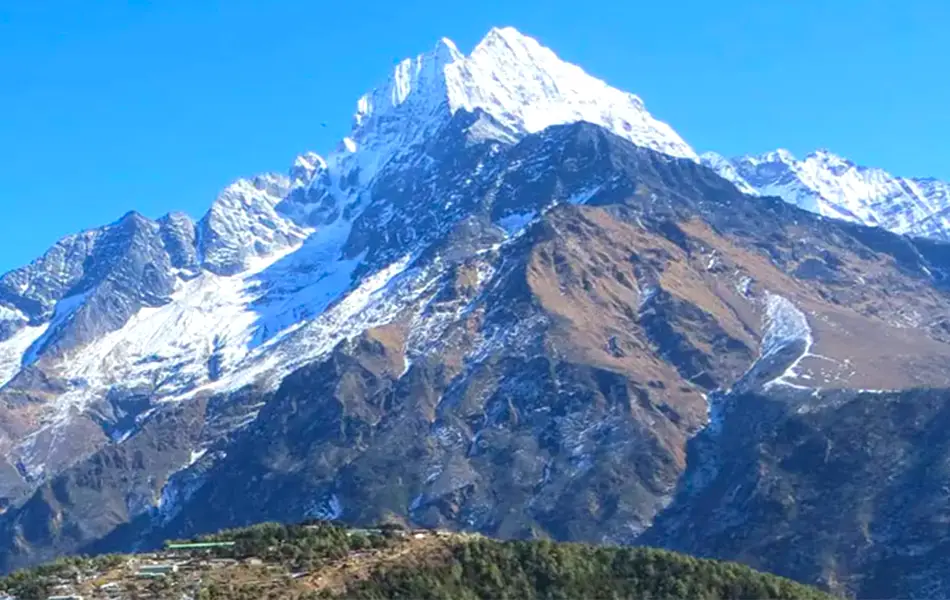
Making your trek from Namche Bazaar to Tengboche Monastery takes you through approx 4 – 5 hours, taking you through beautiful rhododendron and pine forests, offering spectacular views of Everest, Ama Dablam, and Thamserku. This place serves as a home to the famous Buddhist monastery, where you can experience Sherpa culture and spirituality, making it a memorable stop for the Everest Base Camp Trek. 

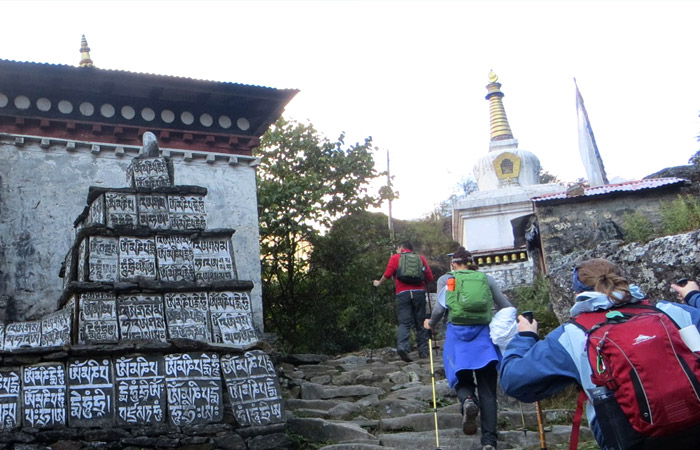
Today’s trek takes you from Tengboche Monastery to Dingboche, taking 5 – 6 hours, passing through scenic valleys, mani walls, and small Sherpa villages, offering panoramic views of Ama Dablam, Lhotse, and Nuptse. As you reach Dingboche, a charming village and an ideal place to rest and acclimatize, allowing you to prepare for high altitudes. 

Today is a rest and acclimatization day in Dingboche, helping your body adjust to the higher altitude. You can take a short hike to Nangkar Tshang Peak or nearby viewpoints for a stunning panorama of Island Peak, Lhostse, and Ama Dablam. This day ensures a safe and more enjoyable trek as you continue your Everest Base Camp Trek.

Today’s trek from Dingboche to Lobuche includes a challenging yet highly scenic journey, as the walk includes a gentle elevation gain. You will be passing through Pheriche and continuing along the Khumbu Khola valley, where you stop for lunch. The route includes a physically demanding section with well-marked routes. Reaching Lobuche, a small settlement area that serves as an important stop for trekkers to rest and acclimatize. 

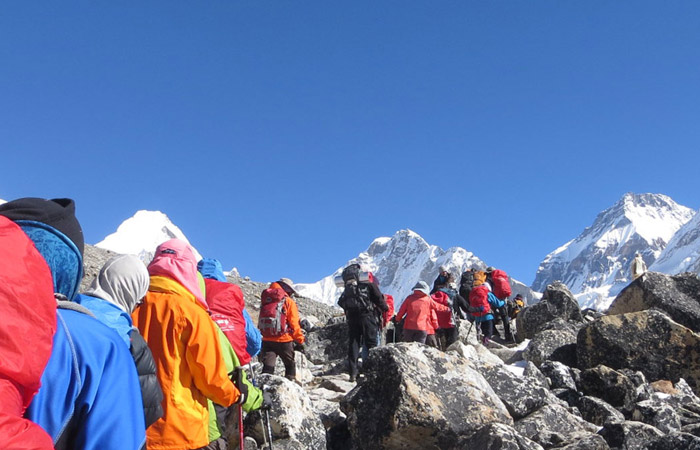
Today is one of the most thrilling days of the Everest Base Camp Trek, as you make your journey from Lobuche to Gorakshep and then continue to Everest Base Camp. The trail includes passing through rocky paths, moraine fields, and offers stunning views of Khumbu Glacier, Nuptse, and Pumori. As you reach Everest Base Camp, you can appreciate the breathtaking scenery, capture memorable photos, and experience the feeling of standing near the world’s highest peak. Then, you return to Gorakshep for an amazing stay. 

Today, you will be trekking from Gorakshep to Kalapatthar early in the morning to witness the spectacular sunrise over Mount Everest, Lhotse, Nuptse, and Ama Dablam. The climb takes 2 – 3 hours and offers some of the best panoramic views of the Himalayas. After enjoying the mesmerizing scenery and taking memorable photos, you descend to Pheriche, taking about 4 – 5 hours. This is one of the challenging yet rewarding day combing high-altitude trekking with breathtaking vistas.

On day 12, you will be trekking from Pheriche to Namche Bazaar, which includes a gradual downhill section. Along the way, you will be passing through dense forests and passing through the Tengboche Monastery. Today’s walk is long with a gradual descent, as you pass through suspension bridges over the Dudh Koshi River and cultural sites. Upon reaching Namche Bazaar, you can enjoy your time at cafes, restaurants, and interact with the Sherpa locals. 

Making your final descent to Lukla includes a gradual downhill section, passing alongside the Dudh Koshi River, crossing high suspension bridges, and exploring charming Sherpa villages like Phakding and Monjo. During your descent, you have chances to witness the last glimpse of Kongde Ri and Thamserku mountains. Today is your last day in the Everest region, as on this day you can explore Lukla on your own and interact with the locals for the last time before taking your flight back to Kathmandu. 

On Day 14, you will take a return flight from Lukla to Kathmandu, which is a short-duration journey offering you scenic aerial views of snow-capped peaks and amazing landscapes. Most of the return flights to Kathmandu are scheduled for the morning, as during this time the weather conditions are clear for take-off. After landing in Kathmandu, one representative will transfer you to your hotel, making the journey even smoother at the end. 

Today is your last day in Kathmandu, as you will be transferred to Tribhuvan International Airport by one of our team representatives, ensuring a hassle-free return to your home. Thank you for trusting the team of Nepal Footprint Holidays. 

Include/Exclude

Includes

  • Pickup and Drop to and from Tribhuvan International Airport to your hotel in Kathmandu.
  • Standard and Comfortable Hotel in Kathmandu (includes breakfast).
  • Tea house accommodation throughout the trek.
  • Delicious and Fulfilling meals, Three times a day (breakfast, lunch, and dinner) for the trek.
  • All necessary paper works Sagarmatha National Park Entry Permit and Khumbu Pasang Lhamu Rural Municipality Permit.
  • Flight from Kathmandu – Lukla – Kathmandu with airport pickup and drop service.
  • A highly experience and knowledgeable, friendly, English speaking well trained, Government License holder guide with his salary, food, drinks, accommodation, transport and insurance.
  • Friendly and helpful porters with proper walking equipment, his salary, foods, accommodation and insurance (one porter for two people).
  • Comprehensive medical box (first aid kit will be available).
  • Arrangement of Emergency Helicopter service (paid by your Travel Insurance company).
  • Government taxes and official expenses. Guided Kathmandu sightseeing tour with private vehicle.
  • Life saving Oxygen and mask support (with paying option).
  • Assistant guide group size more than 4 person group.
  • Welcome and farewell dinner in typical Nepalese restaurant.

Excludes

  • International Airfare from and to Kathmandu.
  • Nepal travel entry visa fee (you may easily issue the visa on arrival at Tribhuwan International Airport – Kathmandu). $30 USD for 15 days Visa.
  • Your Travel and Medical Insurance.
  • Meals whilst you are in Kathmandu Lunch and Dinner as per itinerary.
  • Your Personal Expenses and trekking equipment for the trek.
  • All the alcoholic and non alcoholic cold and hot drinks on trek ( i.e. those you choose to purchase along the way and during evenings in the Tea Houses)
  • All desserts sweet things like chocolate, cake, pie, pudding. Hot shower and battery charging on the tea houses.
  • Tips for the guide, porter and driver (Tipping is expected) Kathmandu sightseeing monument entrance fees.
  • Excess baggage more than 12kg. for Lukla kathmandu lukla flight. (If you have extra baggage that cost 3US$ per kg.)

General Information

Accommodation and Meals for Everest Base Camp Trek

During the Everest Base Camp Trek, accommodation is typically provided in basic teahouses at higher altitudes, while your stay in Kathmandu is at standard hotels with modern amenities. Staying in local teahouses offers you the chance to experience the warm hospitality of the Sherpas and even chances to interact with them. The teahouse includes clean rooms with twin-sharing beds, warm blankets, and shared bathrooms, mostly at higher altitudes.

Similarly, meals for the Everest Base Camp Trek include local Nepali dishes, such as Dal Bhat, noodles, soups, fried rice, and hot drinks at higher altitudes. The meals are freshly cooked using local ingredients, offering you adequate energy for long walking days.

Guide and Porter for the Trek

Hiring a guide for the Everest Base Camp Trek is highly recommended, mainly for first-time trekkers. The overall journey includes navigating through remote trails, high-altitude passes, and steep sections, where having an experienced guide can ensure your safety and security. The guides help you plan your itinerary, manage required permits, and accommodation facilities along the way.

Porters for the trek are required for every trekker, as they help you carry your heavy luggage, ensuring you have a safe and comfortable journey to the base camp. The porters are the locals of this region, who even provide you with local insights and help make the trek even more engaging.

Gear and Packing Essentials for EBC Trek

Having proper gear, as well as the required packing essential can make your Everest Base Camp Trek even more secure and comfortable. The overall journey includes high-altitude regions, where safety is necessary for an unforgettable experience. Below are the necessary gear and packings that are required for the Everest Base Camp Trek.

Essential Clothing

  • Base layers (moisture-wicking thermal tops and bottoms)
  • Fleece jackets or warm sweaters.
  • Windproof and waterproof jacket and pants.
  • 2 pairs of trekking pants, 1 pair of waterproof gloves, and fleece pants for the evening.
  • Warm wool hat, neck gaiter, windproof gloves, and liners.
  • Waterproof trekking boots that are comfortable while walking.

Required Gear and Equipment

  • 40 – 50L Duffel Bag and 25 – 30L daypack. 
  • Good quality sleeping bag for at least -15°C. 
  • Easily adjustable trekking poles with good stability. 
  • Headlamp with extra batteries. 
  • UV protection sunglasses. 

Personal Items 

  • Toiletries (toothbrush, toothpaste, wet wipes, and hand sanitizer)
  • Sunscreen with SPF and Lip balm 
  • Biodegradable soap
  • Quick-dry towel
  • Basic first-aid kit (pain killers, altitude medications, blister treatment, and personal medications). 
  • Portable power bank 
  • Energy bars and chocolate for extra calories. 

Permits Required for Everest Base Camp Trek 

To do the Everest Base Camp Trek, you must need to obtain several permits to ensure a safe and hassle-free journey in the Everest region. Securing this permit is a must, as the route includes passing through the National Park Area and local areas. Below are the permits required for the Everest Base Camp Trek that must be obtained before starting your journey. 

Sagarmatha National Park Entry Permit 

The Sagarmatha National Park Entry Permit is the mandatory permit to be obtained, as the journey involves passing through the National Park Area. The permit must be obtained through a registered trekking agency in Kathmandu from the Nepal Tourism Board Office. Make sure to obtain this permit, as it is checked at various points along the way. 

Sagarmatha National Park Entry Permit Fees

  • NPR 3,000 per person for Foreign Trekkers (approx. USD$30). 
  • NPR 1,500 per person for SAARC Nationals (approx. USD$15)
  • NRP 100 for Nepali Citizens 
  • Free for children below 10 years.

Khumbu Pasang Lhamu Rural Municipality Entrance Permit 

The Khumbu Pasang Lhamu Rural Municipality Entrance permit is a must-needed permit for the Everest Base Camp Trek, which was replaced by the Trekkers Management Information System Card (TIMS). These fees collected from this permit helps for supporting the local infrastructure, as it can easily be obtained from Lukla or Monjo. Securing all these permits for your Everest Base Camp Trek is necessary, as without these permits, you are not allowed to make your entry. 

Fees for the Khumbu Pasang Lhamu Rural Municipality Entrance Permit 

  • NPR 2,000 per person 

Best Time for the Everest Base Camp Trek

Choosing the best time for the Everest Base Camp Trek is necessary as it determines the overall difficulty of the entire journey. EBC Trek during peak times offers stable weather conditions, pleasant temperatures, crystal-clear skies, and amazing views of snow-covered mountains. 

Spring (March – May) 

Spring for the Everest Base Camp Trek is one of the best times to choose, offering you predictable weather, moderate temperatures, and mesmerizing views of the surrounding landscapes. This time is considered to attract the majority of the trekkers, as people from around the world make their visit, offering them stable trekking conditions. However, if you plan your trek at this time, make sure to do early bookings, as this is the busiest time, when you find accommodations mostly booked or packed. 

Autumn (September – November)

Autumn, ranging from September to Novemebr is the most preferable time for the Everest Base Camp Trek, making the journey even more comfortable and engaging. During this time, the trails are dry with crystal-clear skies and amazing mountain views. Along the way, you get clear views of Mount Everest, Lhotse, and Ama Dablam, also making it a major time for cultural festivals in Nepal. 

Winter (December – February)

Winter trek to Everest Base Camp is still possible, but highly recommended for those with prior experience in navigating through snowy conditions. However, this time offer you views that are beyond your expectations, as the snow-capped peaks and snowy trails make the walk even more rewarding. 

Summer (June – August)

Everest Base Camp Trek in summer is not highly recommended due to tough conditions, mainly with the weather and trails. If this is your first-time trekking in the Everest region, then summer might not be the perfect chance to take on this trek, due to challenging conditions; however, the trails are full of blooming rhododendron forests and greenery all around you. Still, heavy rainfall and leeches at lower altitude makes the journey a bad experience. At this time, there is chances of landslides as well as flight delays or even cancellations. 

Safety Tips for the Everest Base Camp Trek

Planning your Everest Base Camp Trek? Then, make sure to have some proper planning and preparation, as the overall journey includes high-altitude conditions and remote trails. Below are the safety tips for the Everest Base Camp that must be considered at times for a comfortable journey.

  • Make sure to have a well-planned itinerary that includes proper rest days.
  • Pack only the essential items that are required during the trek, such as warm layers and comfortable trekking boots.
  • Hire a licensed guide and local porter for the trek, as they ensure your safety and security throughout the trek.
  • Maintain a steady pace and acclimatize to a higher altitude to prevent altitude sickness. 
  • Stay hydrated throughout the journey and drink 3 – 4 litres of water daily to adapt to the altitude gain. 
  • Watch out for symptoms such as headaches, dizziness, or nausea, and inform your guide immediately. 
  • Avoid smoking and drinking alcohol, as it can dehydrate your body. 
  • Train yourself in advance, including cardio and strength training, before the trek. 
  • Use water purification tablets or a filter, as tap water along the way is not good for your body. 
  • Carry enough Nepalese Ruppes for your trek, as there are no ATM facilities from Namche Bazaar. 

Travel Insurance for Everest Base Camp Trek 

Travel Insurance for the Everest Base Camp Trek is highly recommended, as the journey includes reaching higher altitudes and remote locations, which makes it necessary for everyone to have it. However, make sure the insurance covers high-altitude trekking, emergency evacuation, trip cancellation, and lost baggage. They help you during emergencies, as they cover your hospital bills, emergency evacuation via helicoter and many more.  

Frequently Asked Questions (FAQ’s)

  1. Where is the Everest Base Camp Trek located?

    The Everest Base Camp Trek is located in the Khumbu region of Nepal, mainly within the Sagarmatha National Park, a UNESCO World Heritage Site.

  2. Can a beginner do the Everest Base Camp Trek?

    Yes, a beginner can easily do the Everest Base Camp Trek, but they must be physically as well as mentally fit to handle the tough conditions along the way. Having an experienced guide is highly recommended if you are a first-time trekker to the Everest region.

  3. What is the best time to take on the Everest Base Camp Trek?

    Spring (March – May) and autumn (Sep – Nov) are considered the best times to take on the Everest Base Camp trek, offering stable weather conditions, pleasant temperatures, crystal-clear views, and amazing mountains from a distance. Winter (Dec – Feb) is still doable but highly recommended for experienced trekkers.

  4. How difficult is the Everest Base Camp Trek?The Everest Base Trek is regarded as a moderate to strenuous trekking journey in Nepal, offering a mix of high altitude and technical climbing sections.
  5. How long does the Everest Base Camp Trek take?

    The Everest Base Camp trek takes about 13 to 16 days, depending on the itinerary, and time required for acclimatization in major places like Namche Bazaar and Dingboche. This duration even includes arrival and final departure to and from Nepal.

  6. What is the total distance of the Everest Base Camp trek?

    The overall Everest Base Camp trek covers a total of 130 km (80 miles), round-trip. The distance covers exploring every major place during the EBC Trek.

  7. Is there a major risk of altitude sickness along the way?

    Altitude sickness can be a major risk during the Everest Base Camp trek, as the journey includes reaching higher altitudes above 5,000 meters. However, the risk can be reduced with proper acclimatization and keeping yourself hydrated.

  8. Do I need a guide and local porter for this trek?

    Yes, hiring a guide and porter is essential for the Everest Base Camp trek, as they help you navigate through well-marked trails, ensure safety, and manage accommodations along the way. Similarly, having a local porter helps you carry your heavy luggage and ensures you have a comfortable walk along the way.

  9. What are the types of accommodation during the trek?

    Accommodation for the Everest Base Camp trek includes basic teahouses, including simple rooms, twin beds, warm blankets, and shared bathrooms, mainly at higher altitudes.

  10. Do I need to obtain certain permits for the Everest Base Camp Trek?

    Yes, obtaining some of the major permits, like the Khumbu Pasang Lhamu Rural Municipality Permit and Sagarmatha National Park Permit, is the most mandatory permit to be obtained for the Everest Base Camp Trek.

  11. What mountain views are seen during the Everest Base Camp Trek?

    During your Everest Base Camp trek, mountain views such as Mount Everest, Lhotse, Ama Dablam, and Nuptse are easily visible, making the journey even more engaging.

  12. What should I pack for this trek?

    Packing all the essential items, such as layered clothing, a warm down jacket, and a high-quality sleeping bag, as well as comfortable trekking boots.

  13. What is the maximum altitude to be reached during this trek?

    The maximum altitude to be reached during this trek is at 5,364 meters (17,598 ft), at the Everest Base Camp.

  14. Are there possibilities that I can charge my electronics along the way?

    Yes, along the way, you can easily charge your electronic items, but for an extra cost. The teahouse offers you charging facilities, but as you ascend higher, accommodation may be basic with no such facilities.

  15. How crowded is the route to the base camp?

    Taking your base camp journey during the time of peak times, spring and autumn, you can see the trail packed with trekkers, as well as accommodation packed, so early booking is highly recommended.

  16. Can I do the Everest Base Camp trek as a vegetarian?

    Yes, if you are a vegetarian, you can easily do this trek, as during the trek, most of the trekkers prefer vegetarian meals, as they are easier to digest and provides energy for long walking days.

  17. Are there ATMs available along the routes of base camp?

    No, facilities of ATMs are limited mainly at higher altitudes; however, in major places like Lukla and Namche Bazaar, it might be possible, but can be unreliable. Therefore, it is highly recommended to carry enough cash from Kathmandu for your entire journey.

Video

Fixed Departure Dates

Start Date
19 September, 2025
End Date
04 October, 2025
Price
US$ 1900
Status
Available
Start Date
01 October, 2025
End Date
16 October, 2025
Price
US$ 1900
Status
Guarantee
Start Date
09 May, 2025
End Date
24 October, 2025
Price
US$ 1900
Status
Available

Guest Review

Simone Rein
  • On: Jan 01, 1970

The great Everest Base trek camp is the most spectacular camping . Even though the trek was steep and sharp we had ample route to trek and enjoy. We even had time to take marvelous pictures at each and every step of the trek. I should say that I went on this trek at the right time. it was a life changing experience for me!!

You may like

Related trips

Mt. Everest
Everest Panorama trek
From
$1350
$1450
4000 m.
11 day
View Details
Everest Region
Jiri Everest Trek
From
$00
5644 m.
21 Days day
View Details
Mt. Everest
Gokyo Lake Trek
From
$1700
$1900
4800 m.
14 day
View Details
Mt. Everest
Everest high passes trek
From
$2500
$2700
5,535 m.
20 day
View Details
Mt. Everest
Gokyo Chola pass trekking
From
$2100
$2300
5,420 m.
18 day
View Details
Mt. Everest
Everest Expedition
From
$37000
$39000
8848 m.
60 day
View Details
Everest Region
Ama Dablam Expedition
From
$11500
$14000
6812 m.
17 Days day
View Details
Everest Region
Phaplu to Everest Base Camp hiking
From
$2050
$2200
5644 m.
20 day
View Details

0+

Number of Days

0+

Total Destinations

0+

Travellers

0k+

Happy Traveler